
Less searching between systems.
Keep the equipment, its location, electrical connections and observations in the same context.
Why Cetus Platform
The energy transition reaches every feeder. New generation changes power flows. New loads put pressure on local capacity. Ageing assets, incomplete metering and difficult communications make the picture harder to read.
Cetus connects what happens at the equipment to the decisions made across the utility. Field intelligence, digital twins, network engineering and operational applications become parts of one platform.
Talk about your networkThe problem is connected. The tools should be too.
A voltage complaint is not just a number on a screen. It can involve a particular phase, feeder loading, a transformer, local generation and the people supplied by that circuit.
The useful question is what those facts mean together—and what the team should investigate next.
Keep the equipment, its location, electrical connections and observations in the same context.
Follow the evidence from a site event into outage review, maintenance, metering investigation or a planning decision.
Connect engineering choices, cabinet configurations and material quantities to the assets being upgraded.
One platform / Distinct responsibilities
The common foundation is the network and the evidence around it. Each part of Cetus contributes a different responsibility.
Physical network
Feeder measurements, meter readings, protection indications, breaker feedback and cabinet condition connect the real installation to its digital context.
Cetus Edge
Local analytics and asset twins turn observations into useful records. Storage and reporting policies support intermittent links and deliberate use of communication capacity.
Cetus Grid Twin
Equipment identity, terminals, topology, ratings and provenance connect the site model with its wider electrical context. Engineering and operational views work from that shared meaning.
Cetus Central
Bring power quality, faults and outages, metering, losses, asset condition and planning into specialist applications without losing the selected network.
Support throughout the installation lifecycle. Organisations, access, commercial configuration and installation-specific updates remain separate from customer grid data.
Cetus Edge
Cetus Edge is the platform’s local intelligence. It combines acquisition, analytic services, local twins, durable records and controlled exchange with Central. Engineering and simulation let teams configure and exercise that same network model before using it operationally.
A field observation retains its source, time and quality. An estimate remains an estimate. Missing measurements remain a visible limitation. That makes the information easier to interpret when it reaches the control room.
Read the Cetus Edge guideInterpret loading, unbalance, voltage behaviour and events at the circuit where they occur.
Combine ratings, operating history, fitted observations and analytic profiles to understand equipment condition.
Relate aligned meter and feeder records to topology, technical-loss assumptions and data completeness.
Send the selected summaries, events and detail the operational workflow needs. Keep deeper evidence locally under the configured policy.
From sensing and switching to local intelligence and station integration.
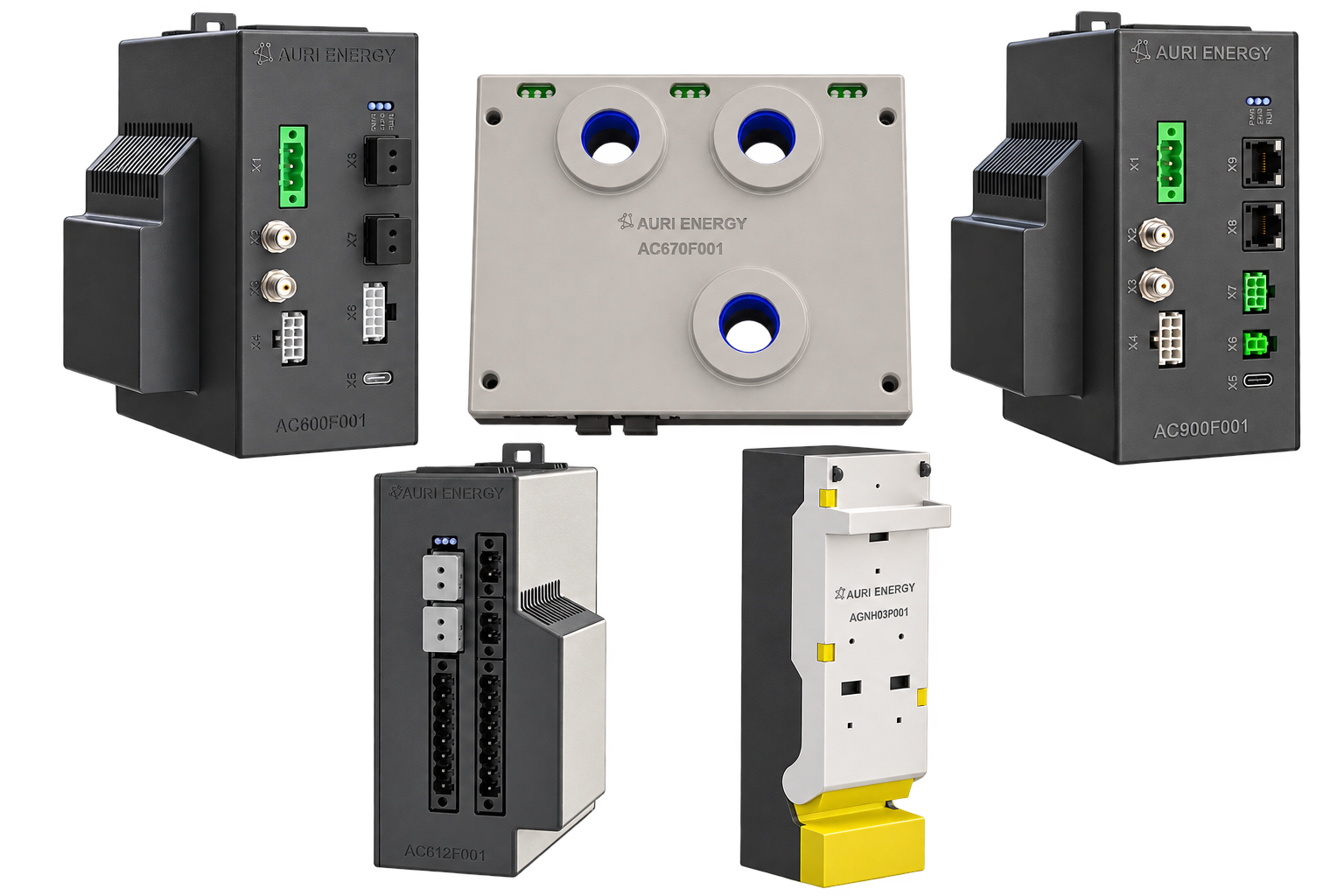
Local intelligence · Feeder monitoring · Station integration · Breaker supervision · Fused switching
Explore hardware and assemble a cabinetDesigned around difficult operating realities
Remote locations, mixed equipment and limited connectivity should shape the architecture from the start.
Local collection and commissioned protection continue independently of backhaul. Store-and-forward carries retained evidence when communication returns.
Local processing supports compact summaries and event-led reporting. Configure rates and capture policies around the link and the operational need.
Combine the available measurements with the model. Show coverage, confidence and missing inputs instead of presenting every inference as a measured fact.
Bring selected relays, RTUs, meters and station interfaces into the same context through the agreed integration profiles.
Keep fitted battery, charger, access and thermal observations in the cabinet’s operating picture. Recovery and autonomy follow the installed hardware.
Use dedicated installations, scoped access and an agreed sharing policy. Routine administration does not need the customer’s complete network dataset.
Cetus and SCADA
SCADA is an essential operational capability. Cetus’s proposition is the connected platform around field intelligence, network context and the work that follows.
SCADA systems acquire telemetry, present alarms and support supervisory commands. Modern SCADA, DMS and EMS suites can also include substantial modelling, analysis and operational applications. The distinction is not that those systems lack intelligence—it is how Cetus brings its field layer, local processing, twins and engineering workflows together.
| Operational need | SCADA context | The Cetus approach |
|---|---|---|
| See what is happening | Telemetry, alarms and equipment status from the configured field estate. | Link those observations to feeder, transformer, cabinet and meter context, with field instrumentation and gateway integration. |
| Understand a local problem | Detail depends on instrumentation, point models and the associated analysis systems. | Interpret relevant conditions near the equipment and retain their local history, source and quality. |
| Use communications well | Polling, events and telemetry policies depend on the deployed design. | Combine local storage and analytics with selected summaries, event reporting and configurable detail. |
| Move from evidence to work | Operational workflows depend on the applications and integrations installed. | Connect the common Grid Twin to outage, power-quality, metering, maintenance, engineering and planning contexts. |
| Modernise existing assets | Existing relays, RTUs and automation systems remain important parts of the installation. | Integrate agreed field and station interfaces rather than assume wholesale replacement of existing equipment. |
| Operate safely | Control functions require engineered authority, protection, interlocks and commissioning. | Keep local protection local, and distinguish authorised requests from verified field feedback. Operational actions remain subject to commissioned safeguards. |
The scope of an operational deployment is agreed and commissioned for that installation. Capabilities and deployment scope ↗
One platform for the work of the utility
Field visibility, network understanding, engineering and operations.
Bring them into the same conversation.
Operational challenges
An alarm alone does not explain whether the cause is a feeder fault, a tripped breaker or a lost connection.
Collect feeder voltage, current, protection indications and breaker feedback at the affected site.
Correlate the event with local state, retain its timing and distinguish missing communication from missing supply.
Place the event on the electrical network, identify the equipment in scope and support the outage and field-work investigation.
Give the crew a clearer starting point—and use returning measurements to support restoration confirmation.
A gap between supplied and billed energy can come from network losses, missing readings, incorrect associations or an unregistered load.
Relate customer meters to the feeders and transformers that supply them.
Compare aligned energy intervals, account for available technical-loss estimates and expose incomplete meter coverage.
Follow a persistent discrepancy through the network and build a reviewable investigation with its supporting evidence.
Focus inspections on qualified evidence. A residual is a reason to investigate, not an automatic accusation of theft.
A station total can hide an overloaded phase, an uneven feeder or a transformer carrying repeated thermal stress.
Measure individual feeder loading, phase balance and available temperature or cabinet-condition inputs.
Maintain the local transformer twin and interpret loading, operating history and fitted observations through the selected analytic profiles.
Compare the asset with its network context, review condition and demand evidence, and test engineering or reinforcement options.
Connect a maintenance or investment decision to the equipment and operating conditions behind it.
Remote sites can have limited bandwidth, expensive data links and long communication interruptions.
Continue local collection and the commissioned protection functions without depending on a cloud round trip.
Retain records locally, prepare compact summaries and classified events, and control what is uploaded and when.
Recover the relevant history after reconnection and distinguish current, delayed and missing evidence.
Design the reporting policy around operational need and link capacity, rather than sending every raw sample continuously.
The shared Grid Twin
Electrical connections, geography and observed state answer different questions about the same equipment.
This interactive illustration explains how field equipment and the control room share network context. The actual application views above show the detailed engineering workspace.
Read about the viewsExplore an illustrative network. Select a connection point.
02 / The software platform
Design and exercise the network in Edge. Investigate its evidence in Central. Manage organisations and installations through Admin. The same equipment context follows the work. Field analytics and network-wide understanding are connected parts of the platform.
Measure. Analyse. Retain. Connect.
Local intelligence for the transformer, feeder and cabinet. Cetus Edge brings collection, analytics, a local grid twin and retained records together, with engineering and simulation tools to prepare the installation.
04 / Operational applications
From a voltage complaint to a feeder outage, from missing meter readings to an upgrade decision: Cetus connects specialist work to the equipment and evidence behind it.
Available functions depend on your installation, licence and connected services. Read the capability guide